
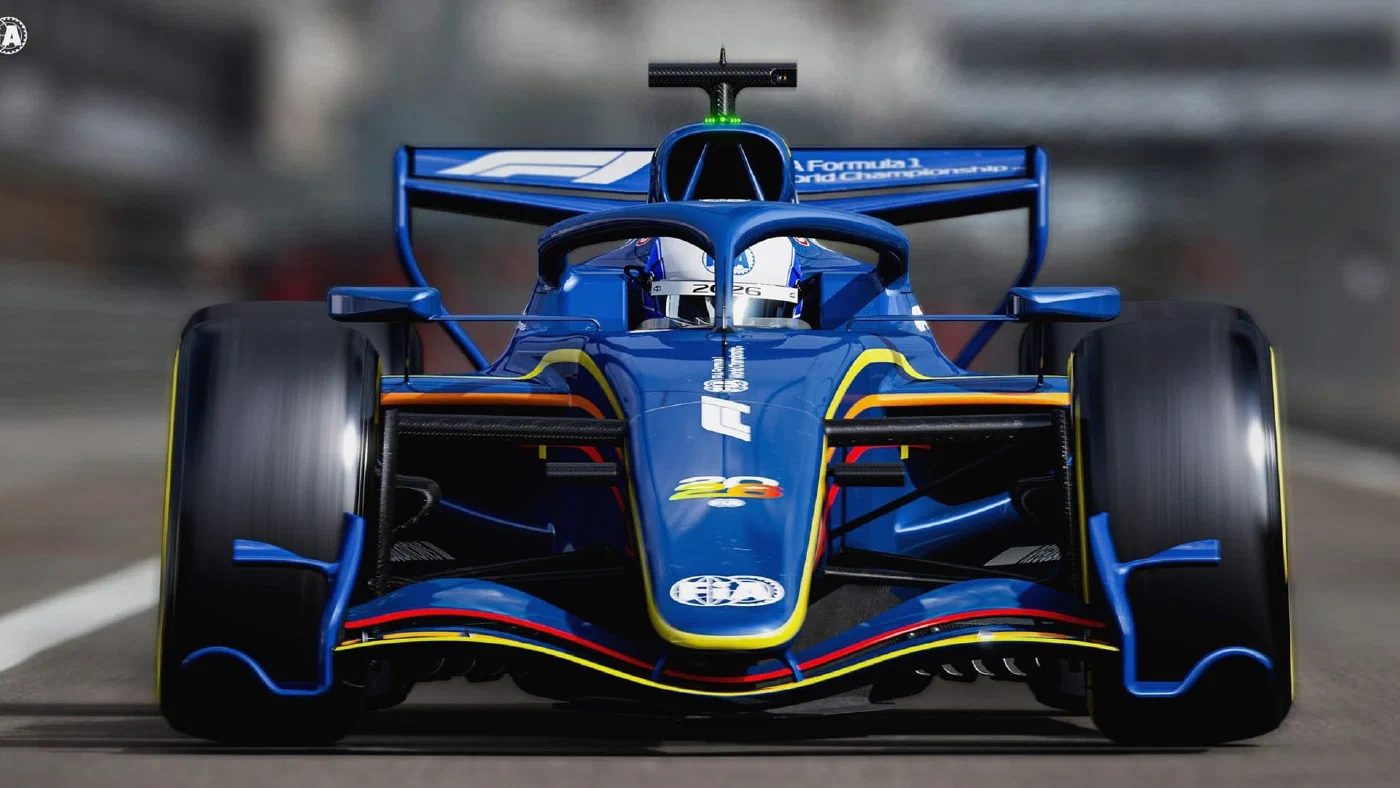
Even as the 2025 Formula 1 season barrels towards its climax, the collective gaze of the paddock is firmly fixed on the horizon: 2026. The new technical regulations, promising a radical overhaul of car design, power units, and aerodynamic philosophies, represent the biggest shift in the sport in years. In the three-week interlude between the 2025 British Grand Prix and the Belgian Grand Prix, chatter intensified around the progress teams were making on their 2026 projects, with early design philosophies, engine manufacturer updates, and the first whispers of how these revolutionary cars might look and perform dominating technical discussions. This wasn’t just about theory; it was about the tangible first steps in a high-stakes technical arms race.
The FIA’s Vision: Power Unit Evolution and Aerodynamic Efficiency
The core of the 2026 regulations centers on two major pillars: the revised power units and highly active aerodynamics. The FIA’s stated goal is to create cars that are more sustainable, more efficient, and promote closer racing.
- Power Units: The 2026 engines will see the MGU-H (Motor Generator Unit – Heat) removed, simplifying the hybrid system and making it more attractive for new manufacturers to enter. This means a greater reliance on electrical power, with the MGU-K (Motor Generator Unit – Kinetic) becoming even more potent. The emphasis is on a 50/50 split between internal combustion and electrical power, making energy management a critical component of race strategy. Audi and Ford (with Red Bull Powertrains) are already committed, alongside existing manufacturers like Mercedes, Ferrari, and Renault (Alpine), highlighting the success of this approach in attracting new blood.
- Active Aerodynamics: This is arguably the most visually and functionally radical change. Cars will feature movable front and rear wings, allowing drivers to switch between low-drag modes for straights and higher-downforce modes for corners. The aim is to reduce drag significantly on straights, promoting better overtaking opportunities, and then regain downforce for cornering. This requires intricate integration with the power unit, as energy harvesting and deployment will be intrinsically linked to aero modes.
Early Design Concepts: Weight, Size, and the DRS Evolution
While no team has publicly unveiled their 2026 car designs, the technical discussions in the paddock revealed some early insights and concerns.
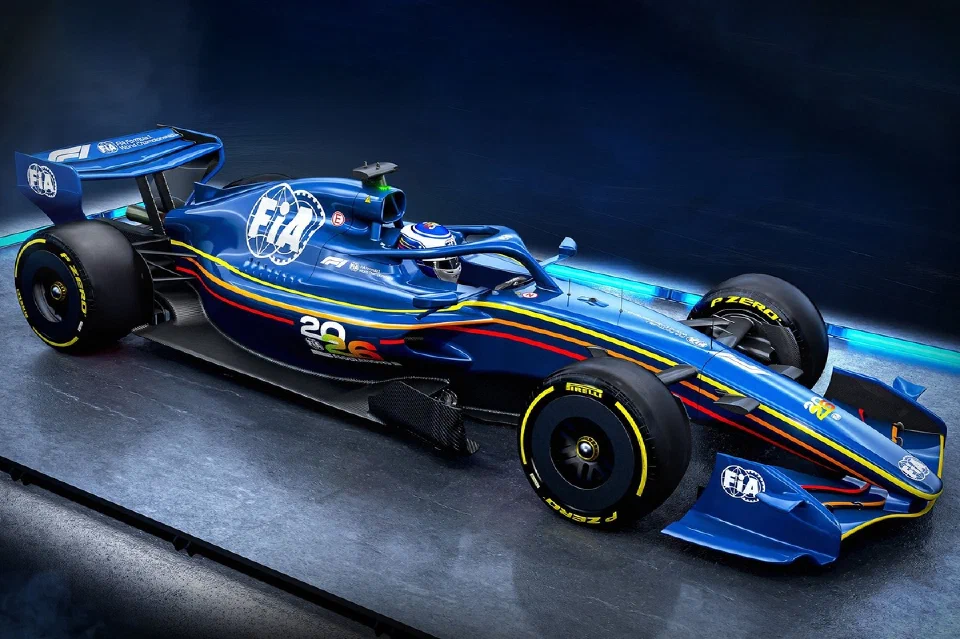
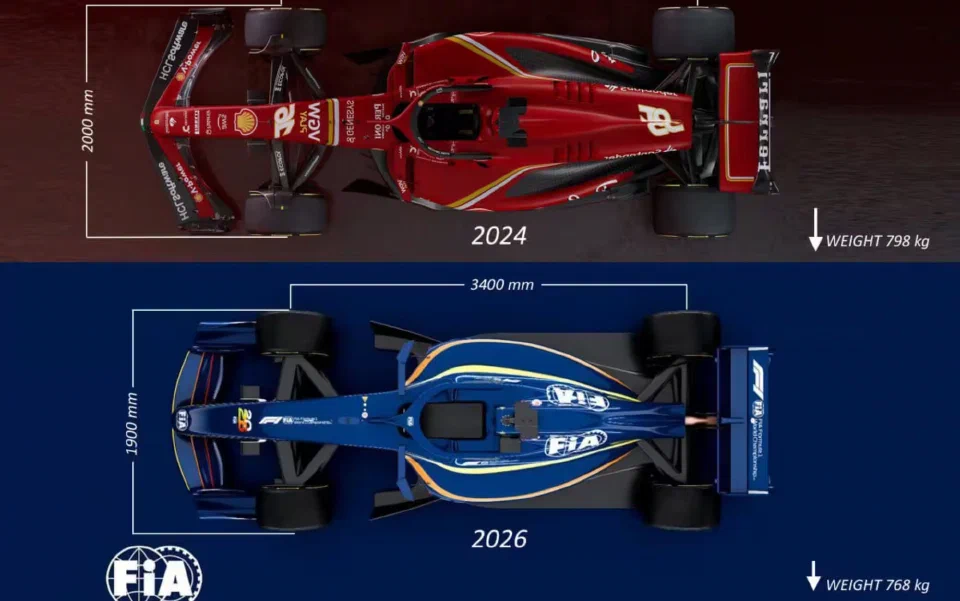
- Weight Reduction: The FIA has set a target for lighter cars, aiming for a minimum weight reduction of around 30kg. This is a significant challenge, especially with the increased battery size required for the new power units. Teams are exploring every avenue, from material science to component integration, to shed grams wherever possible. The difficulty of this target was a hot topic, with some engineers expressing concerns about achieving it without compromising safety or structural integrity.
- Smaller Chassis, Shorter Wheelbase: The 2026 cars are expected to be slightly shorter and narrower, aiming to make them more agile and suitable for a wider variety of circuits. This also has implications for packaging the revised power units and complex active aero systems.
- “DRS Everywhere” or “Overtake Mode”? The active aerodynamics system is effectively an evolved form of DRS, but with more sophisticated deployment. Instead of a single activation zone, drivers will have more control over their wing settings. The exact implementation – whether it’s an “overtake mode” activated by the driver or an automatic system linked to energy management – is still being refined, but the core concept is to facilitate closer racing. Experts like Sam Collins from F1’s technical analysis team speculated on the various strategies teams would employ to maximise the efficiency of these movable elements.
Manufacturer Updates and Strategic Shifts
The mid-season break provided an opportunity for various engine manufacturers to offer subtle updates on their 2026 power unit development:
- Mercedes: Having developed a reputation for strong power units, Mercedes is reportedly investing heavily in its Brixworth facility to ensure a competitive 2026 engine. Toto Wolff, in interviews, stressed the complexity of the new regulations but expressed confidence in their team’s ability to adapt.
- Ferrari: Ferrari’s ongoing commitment to both chassis and power unit development was evident. They are keen to leverage the simplified hybrid system to gain an edge, with reports suggesting significant progress on their Maranello engine development.
- Red Bull Powertrains/Ford: This new partnership is perhaps the most intriguing. Red Bull, having taken engine development in-house, is working closely with Ford on the electrical components and overall integration. The pressure is immense to deliver a championship-winning power unit from scratch, and early reports from figures like Adrian Newey (who, despite his Red Bull departure, remained influential in initial design phases) suggested a challenging but exciting journey.
The Race for 2026 has Already Begun
The focus on 2026 has inevitable strategic implications for the ongoing 2025 season. Teams must balance current performance with the considerable resources being diverted to the future. Some teams might choose to scale back 2025 development earlier than others to get a head start on 2026, potentially influencing the latter stages of the current championship. This constant balancing act highlights the intense competitive nature of F1, where planning years in advance is crucial.
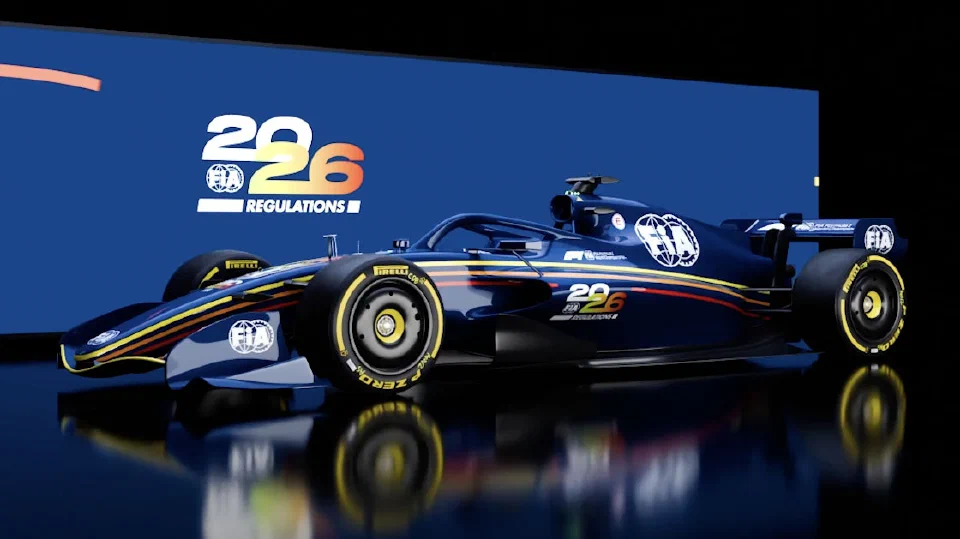
The discussions and developments during the inter-Grand Prix break underscored a fundamental truth about modern Formula 1: the future is always now. The 2026 regulations promise to redefine the sport, offering a clean slate for innovation and potentially reshuffling the pecking order. While the current season provides thrilling on-track battles, the real technical arms race for 2026 is already well underway in the design offices and factories of every F1 team. The coming months will undoubtedly bring more insights as these revolutionary cars begin to take shape.
What aspects of the 2026 F1 regulations are you most excited about? Share your thoughts on how they will impact the racing in the comments below! Don’t miss out on the latest technical insights – subscribe to our blog for deep dives into F1’s cutting-edge engineering.